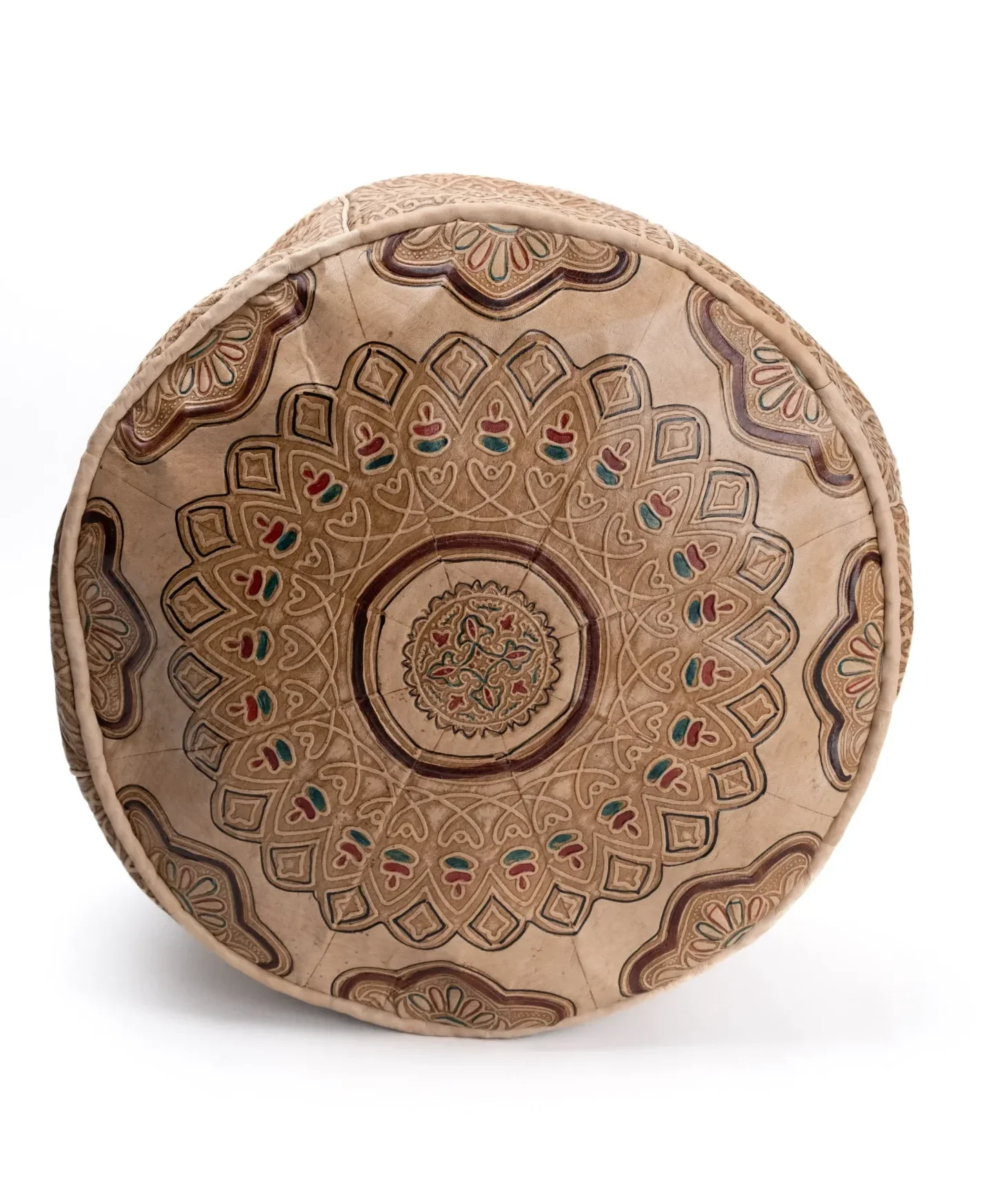
Moroccan Leather Poufs vs Ottomans: Styling & Buying Guide
Introduction
If you’re looking to add a touch of Moroccan artistry to your home, you may be weighing options like leather poufs and ottomans. This moroccan leather poufs vs ottomans styling buying guide breaks down the key differences and highlights the best ways to style each, so you can choose confidently.
1. Leather Poufs vs Ottomans – Key Differences
| Feature | Leather Poufs | Ottomans |
|---|---|---|
| Shape & Structure | Usually round or square, soft and low | Often rectangular or square, firmer |
| Stuffing | Filled with cotton, recycled fabric, wool | Frequently includes wooden frame or foam |
| Uses | Footrest, extra seating, decor accent | Seating, small coffee table, storage |
| Portability | Lightweight and easy to move | Generally heavier, stays in place |
| Design | Embroidered, hand-stitched patterns | Upholstered or plain leather/fabric |

Leather Poufs: These are typically hand-stitched from goat or cow leather, often featuring intricate embroidery or tribal patterns. They work beautifully as flexible seats or footrests and add soft texture to a room.
Ottomans: These offer more structure, sometimes with hidden storage or a wooden frame. A leather ottoman can double as a small table when paired with a tray, offering a sleek, polished look.
2. Size & Room Placement Comparison
Use this table to choose the right size and placement for your space:
| Size (Approx.) | Best Room | Ideal Use |
|---|---|---|
| 16″ x 16″ x 12″ (standard pouf size) | Living Room, Bedroom | Footrest, extra seat, statement décor piece |
| 18″ x 18″ x 14″ | Entryway, Reading Nook | Cozy seat for putting on shoes or reading |
| 24″ x 16″ x 16″ (larger ottoman) | Living Room | Coffee table substitute, with tray on top |
| 30″ x 20″ x 18″ | Lounge Area | Spacious extra seating or storage solution |
Placement Tips:
In smaller rooms, opt for a small leather pouf to add texture without overwhelming the space.
In larger living rooms, a rectangular ottoman can anchor seating arrangements and double as a table.
Group two or more poufs to create a flexible seating nook.
3. Styling Tips
Contrast Textures: Pair smooth leather poufs with woven rugs or patterned cushions for a layered look.
Colour Balance: Natural tans and browns complement Bohemian or minimalist interiors, while coloured leather adds a bold accent.
Layer It Up: Use a pouf near a sofa or under a console table to fill empty corners and provide extra seating.
Function First: Choose an ottoman if you need a multi-functional piece (e.g., storage or table). Choose poufs for casual seating and dynamic decor.
4. Buying Guide
Quality Leather: Look for genuine, vegetable-tanned leather. It ages beautifully and develops a rich patina.
Handcrafted Details: Traditional Moroccan poufs often feature detailed hand-stitching and embroidery, reflecting artisanal craftsmanship.
Ethical Sourcing: Support fair-trade cooperatives and artisans when possible to ensure sustainable production.
Filling: If buying unfilled poufs, make sure to fill them tightly (recycled fabric, cotton, or foam) to achieve the right firmness and shape.
Conclusion
Both leather poufs and ottomans bring timeless Moroccan charm to any interior. For a more relaxed, flexible accent, go with a leather pouf. If you want something sturdier that can act as a seat or mini table, a leather ottoman may be the better choice.
Looking for something truly Naturel?
Either way, your home will benefit from the warmth and craftsmanship that only authentic Moroccan leather goods can provide.