Introduction: Where Earth Meets Fire
In the heart of Morocco, where the Atlas dust meets centuries of tradition, clay isn’t just moulded—it’s transformed. At first touch, it’s humble earth. After shaping, it becomes a promise. And with the final firing, it’s art. This last step in crafting handmade Moroccan pottery is more than technique—it’s what grants each piece its legendary strength, vibrant finish, and generational legacy.
What Is the Final Firing in Pottery?
The final firing, also called glaze firing, is when the shaped and painted ceramic returns to the kiln to meet its fate. The kiln’s blazing heat—reaching around 1,000°C—melts the glaze into a glassy coat, sealing colours, strengthening the form, and adding that iconic Moroccan sheen.
This stage isn’t just functional; it’s essential. Without it, your vibrant tagine, hand-painted bowl, or Moroccan home decor statement piece would chip, fade, or crumble over time.
Durability Rooted in Heat and Heritage
Many people are surprised by how robust Moroccan pottery is—surviving decades of use in homes, riads, and marketplaces. That resilience? It’s forged in the kiln.
The heat strengthens the clay, locking its shape permanently. Glaze becomes a protective barrier against stains, scratches, and the test of time. It’s why heirloom ceramics still decorate Moroccan homes, passed down like jewellery or stories.
Beauty Born from the Flame
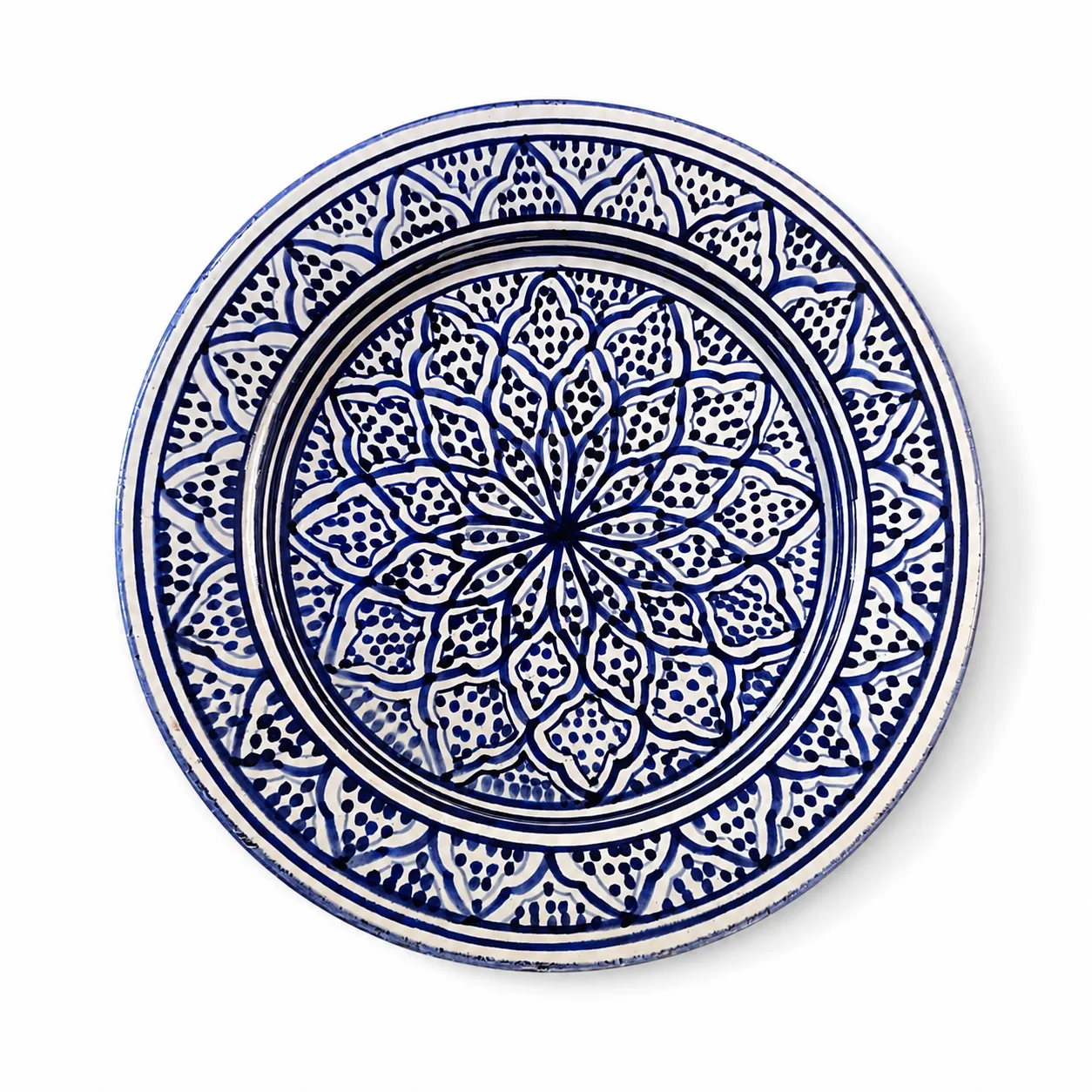
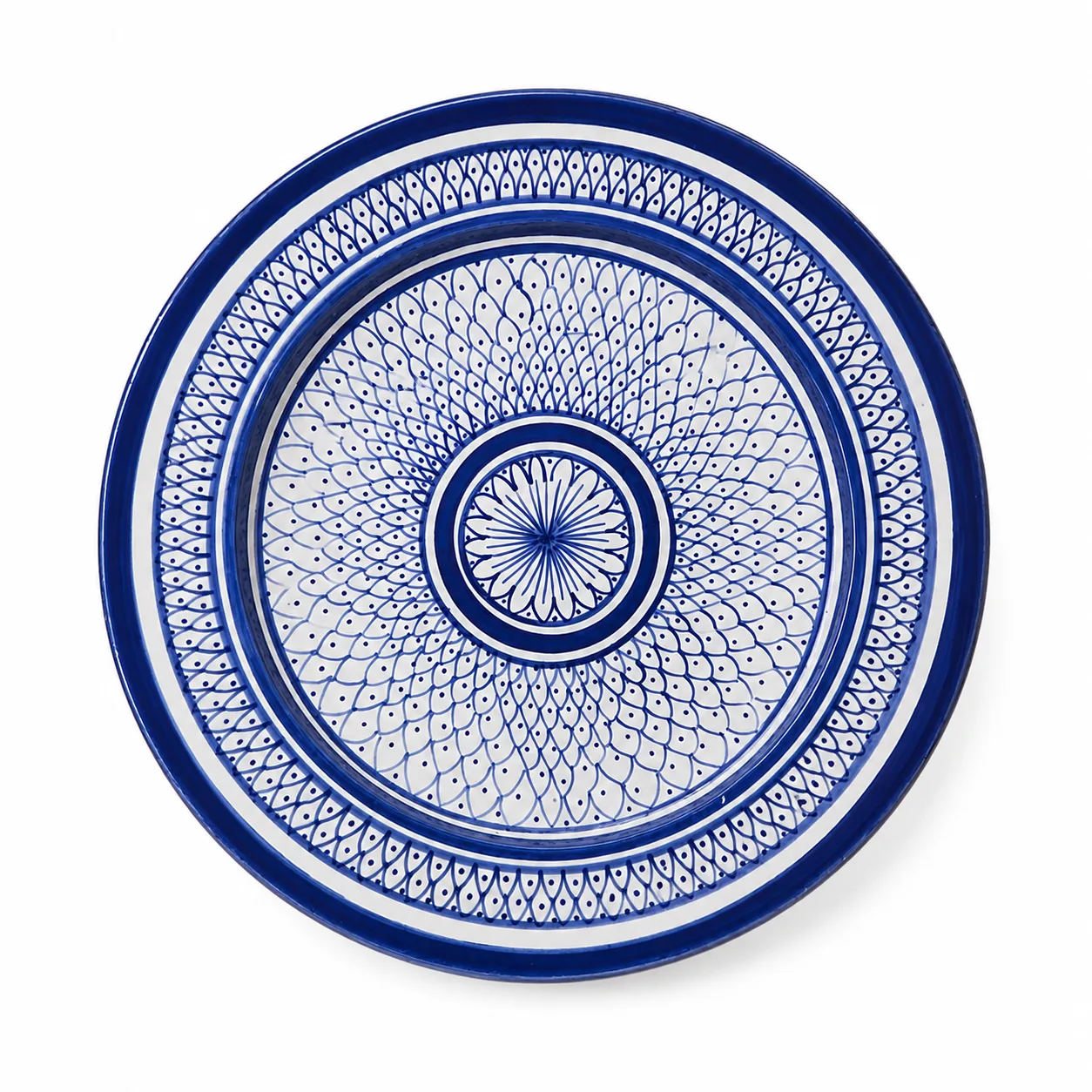
If you’ve ever wondered how the vivid cobalt blues or warm saffrons of handmade Moroccan pottery appear so luminous—thank the final firing. The heat doesn’t just preserve; it enhances. Colours deepen, textures set, and tiny imperfections become soulful marks of the artisan’s hand.
No two firings are identical. That’s the magic. Each piece emerges slightly different, kissed by the kiln and full of personality.
Why It Matters for You
Whether you’re choosing a Moroccan vase for your hallway or gifting a hand-thrown dish, understanding this process connects you more deeply with the object. You’re not just buying decor—you’re investing in something forged with skill, time, and tradition.
These are pieces that last not just in form, but in feeling—quietly carrying the energy of their makers and the stories of a craft that’s never rushed.
Conclusion: A Fire That Never Fades
The final firing is a celebration—of heritage, of permanence, of care. It’s the reason Moroccan pottery doesn’t just sit beautifully on a shelf, but lives beautifully in homes, year after year.
Next time you run your fingers across the surface of a Moroccan ceramic bowl, remember: what you’re feeling isn’t just texture. It’s tradition—sealed in fire.
Our artisan collections
Explore our collection of handmade Moroccan pottery and bring a piece of the Medina into your home: