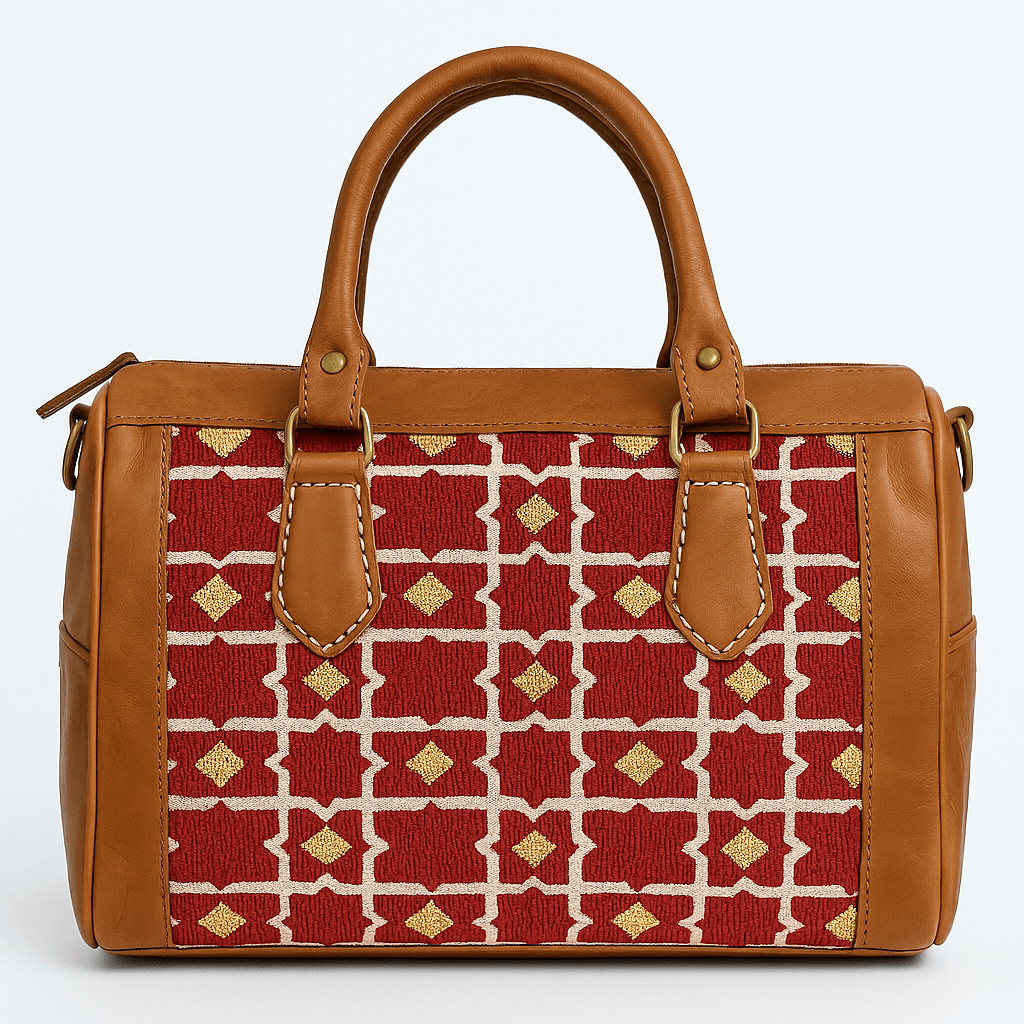
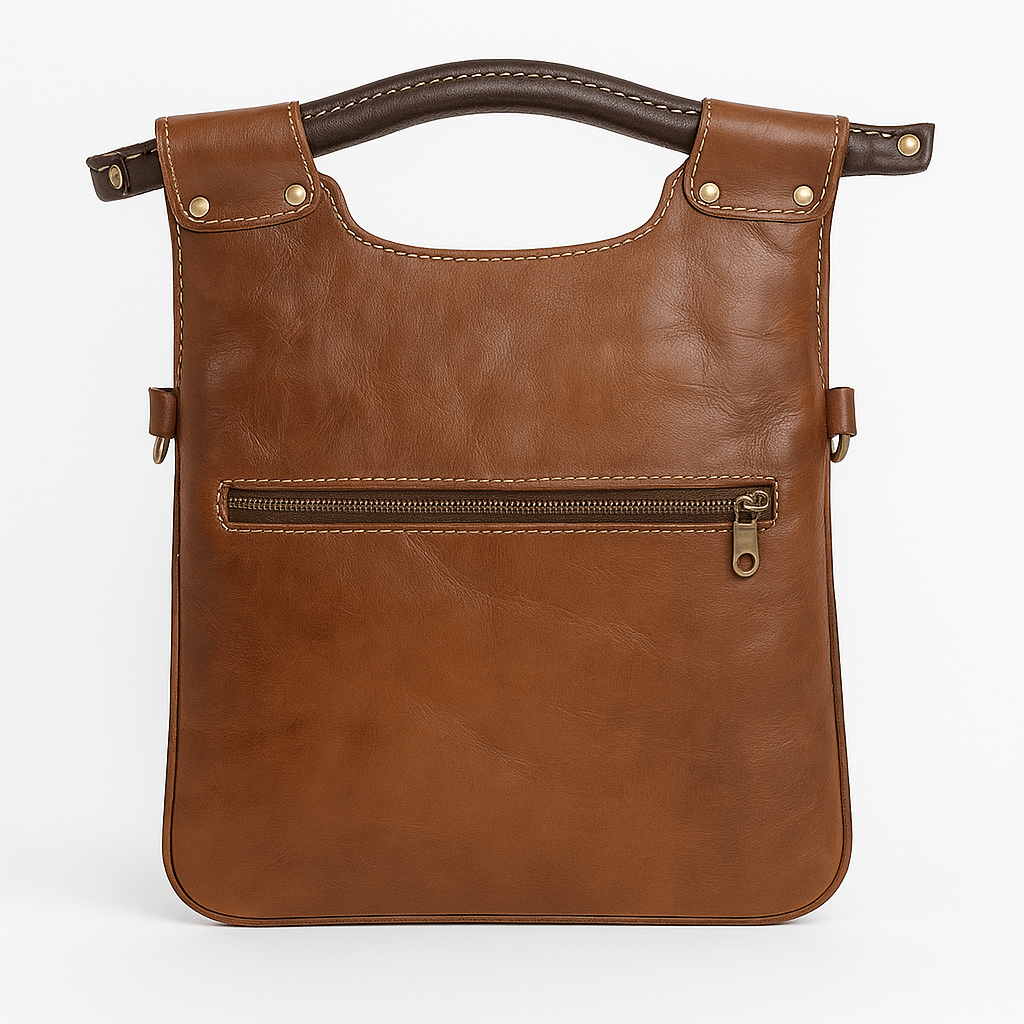
A World of Handcrafted Heritage
Moroccan leather goods are famous worldwide for their craftsmanship and timeless style. Whether you’re looking for a crossbody bag, a hand‑stitched wallet, a supple pouf, or a belt with kilim detailing, choosing the right piece isn’t just about looks—it’s about understanding materials, artisan techniques, and authentic sourcing. This moroccan leather goods shopping guide bags poufs wallets article covers every essential factor from category comparisons to buying tips helping you shop confidently.
1. Types of Moroccan Leather Goods (Overview)
| Category | Common Features | Best For |
|---|
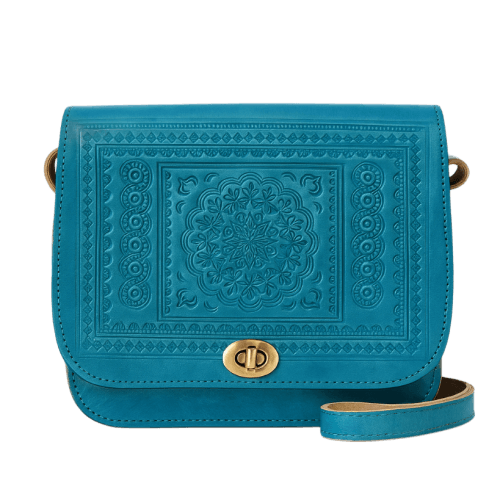
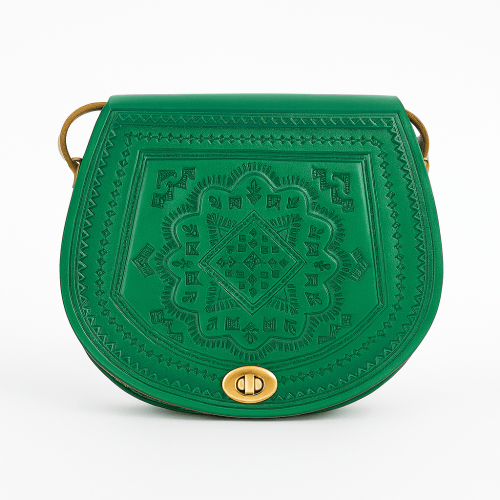
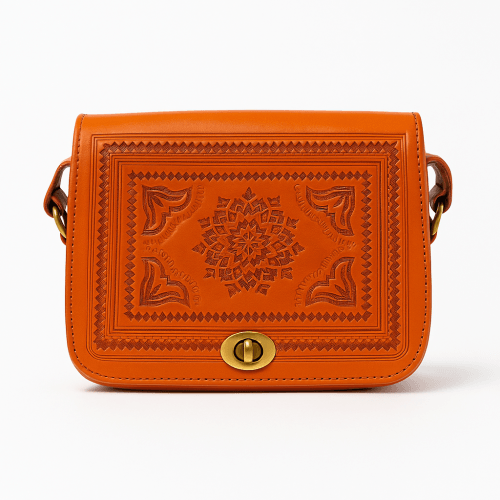
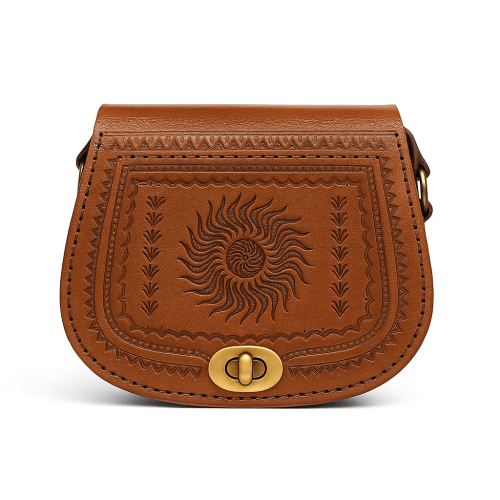
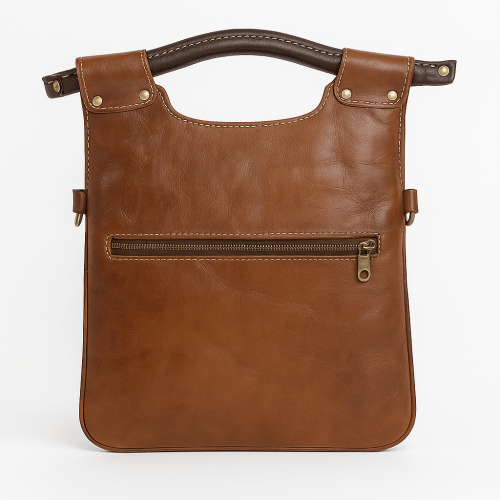
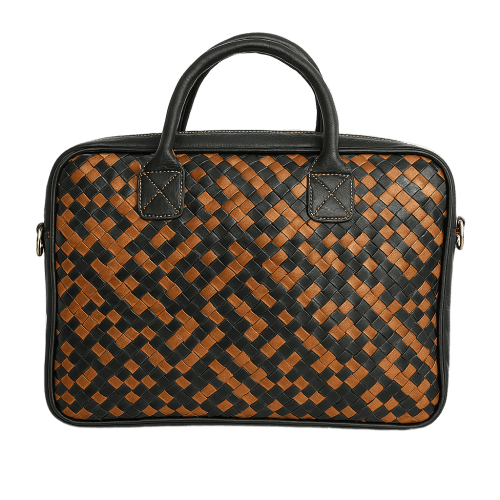
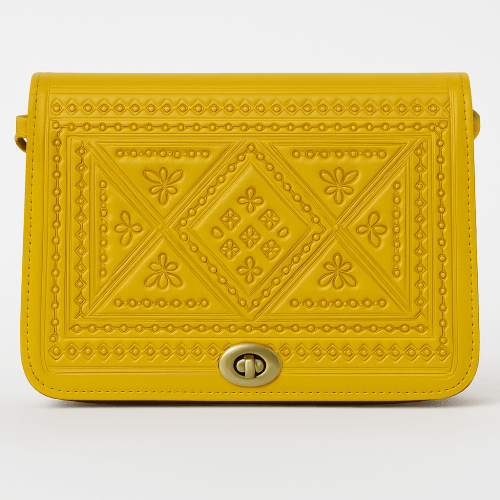
| Bags (Tote, Shoulder, Crossbody) | Full‑grain leather, reinforced stitching, sometimes decorated with kilim panels or embossing | Daily use, work, travel |
| Poufs & Ottomans | Hand‑stitched seams, stuffed with cotton/wool, available in various sizes (e.g. 16 × 16 × 12 in. square pouf) | Seating, footrests, decor |
| Wallets & Purses | Bi‑fold, tri‑fold, card holders; vegetable‑tanned leather; handmade seams | Minimalist everyday carry |
| Belts & Straps | Smooth or braided leather; metal buckles; some incorporate woven fabrics | Casual and formal outfits |
| Accessories (Key Holders, Pouches) | Small, durable leather pieces often with zips or snaps | Organisation & travel essentials |
Why this matters: Each category has different uses, sizes and durability considerations. Understanding these differences ensures you buy a piece that will serve you well for years.
2. How to Identify Authentic Moroccan Leather
Authenticity is key: many “Moroccan‑style” goods are mass‑produced elsewhere. Here are simple checks to ensure you’re buying the real thing:
Smell & Texture: Real leather has a natural, earthy scent and feels warm; faux leather can feel plasticky.
Stitching Quality: Hand‑stitched edges are slightly irregular but stronger. Machine‑stitched edges are too uniform.
Material & Dye: Look for full‑grain or top‑grain leather—often vegetable tanned with natural dyes. Cheaper items may use bonded leather or synthetic fillers.
Origin & Provenance: Authentic goods come from Morocco’s artisan tanneries (like those in Fez and Marrakech). Products that vaguely state “imported” without specifying “Made in Morocco” may not be genuine.
Price Point: Genuine artisan goods have higher prices because of the handwork involved. Extremely low prices are a red flag.
3. Category Comparison: Size & Use Cases
| Item | Approx. Dimensions | Ideal Use Case | Notes |
|---|
| Leather Tote Bag | 35–45 cm width | Work, shopping, travel | Spacious and sturdy |
| Crossbody or Shoulder Bag | 20–30 cm width | Hands‑free city outings, everyday wear | Good balance of size and comfort |
| Square Pouf (16 × 16 × 12 in.) | 16 × 16 × 12 in. | Apartment seating, footrest | Compact but practical |
| Large Pouf/Ottoman | 20–24 in. diameter (round) or 20+ inches width | Lounge areas, living rooms, decorative table | Can double as a coffee table with a tray |
| Bi‑Fold Wallet | 10 × 8 cm (folded) | Slim storage of cash and cards | Classic everyday choice |
| Card Holder | 9 × 6 cm | Minimalists or suit pockets | Ultra lightweight |
| Leather Belt | Adjustable length (90–110 cm) | Casual & dressy outfits | Choose the right width for formal vs. casual wear |
Takeaway: Always match the size and capacity to your personal use. For example, travellers should consider crossbody bags for security and medium‑sized poufs for flexible seating.
4. Where & How to Buy
In Morocco:
Medinas & Souks (Fez, Marrakech): Ideal for finding artisan stalls and seeing how leather is tanned and dyed. Negotiate respectfully.
Women’s Cooperatives: Many cooperatives offer fair‑trade leather goods supporting local families.
Artisan Workshops: Visit workshops to customise pieces or request specific colours and sizes.
Online:
Official Retailers: Shop from trusted websites with clear origin descriptions.
E‑commerce Platforms: Only consider sellers with verified “Made in Morocco” labels.
Boutique Stores: Many Moroccan artisans collaborate with global boutiques for higher‑quality exports.
5. Styling & Care Tips
Coordinate Textures: Pair Moroccan leather bags or belts with natural fabrics (linen, cotton) for a balanced look.
Colour Harmony: Neutral tones (tan, brown, black) blend easily with any wardrobe, while colourful poufs add a vibrant accent.
Maintenance: Condition leather every few months with a natural balm; keep it away from water; and store in a cool, dry place.
Mix & Match: Don’t hesitate to combine Moroccan leather with other handmade items—such as kilim carpets or wool throws—to create a cohesive, bohemian aesthetic.
Conclusion
Buying authentic Moroccan leather goods is an investment in cultural heritage, quality and sustainability. By understanding the different types of leather products, how to spot authentic craftsmanship, and the best places to shop, you ensure that your bags, poufs, wallets and belts will be cherished for years. Use this guide to make informed decisions—whether you’re strolling through a souk in Fez or browsing online from home.
Shop Authentic Moroccan Leather Wallets
At Trésors El Mamoun, every wallet is handcrafted in Morocco using heritage techniques and eco-friendly tanning methods.