Moroccan Tagine Pottery Meets Modern Design: A Collaboration of Heritage and Home
Moroccan tagine pottery, once known only for its role in traditional cooking, is finding a fresh place in modern homes. From artisan-crafted clay vessels to stylish centrepieces, this beloved form of Moroccan pottery is experiencing a design revival—where utility meets elegance, and heritage embraces contemporary style.
The Roots of Moroccan Tagine Pottery
At the heart of Moroccan cooking pottery lies the tagine: a conical-lidded clay pot used for slow-cooking aromatic stews over low heat. Hand-shaped and sun-dried before firing, each tagine is not just a cooking tool—it’s a legacy. The clay used for these pieces is sourced from Moroccan soil, linking every pot back to the land itself.
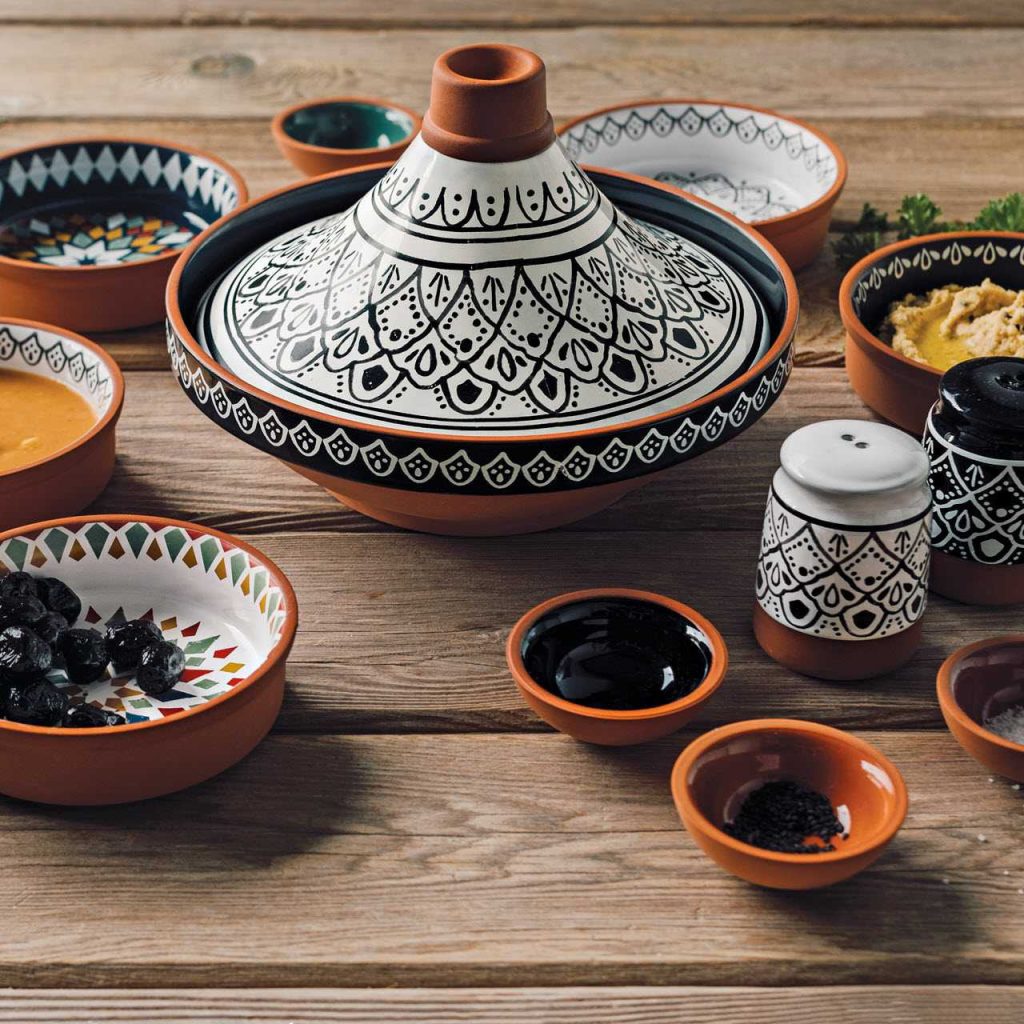
For generations, artisans across regions like Safi and Fez have shaped these pots by hand, painting them with natural dyes and traditional Berber patterns. It’s a technique passed down through families—an unbroken thread connecting past and present.
A Modern Shift in Form and Function
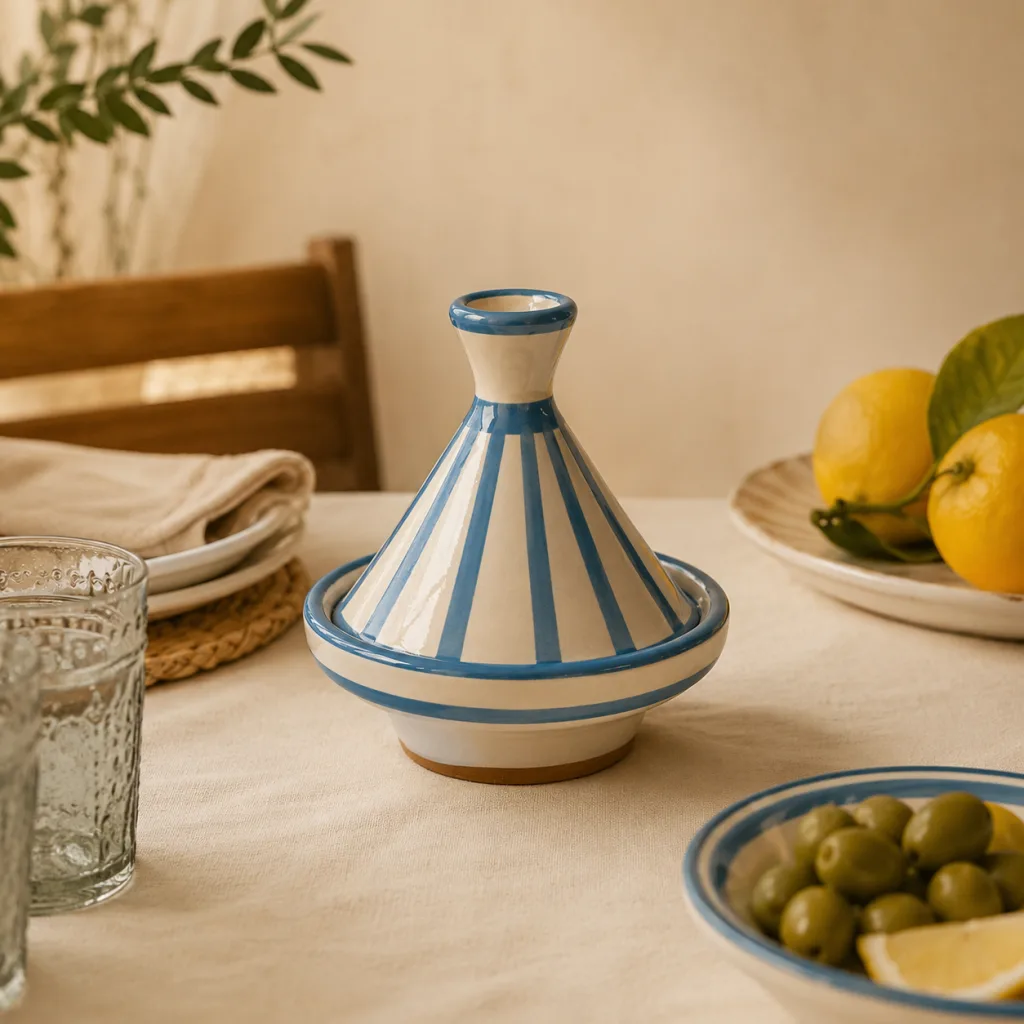
Today, Moroccan tagine pottery is being reimagined for modern interiors. While still perfectly functional for the kitchen, many pieces now cross over into decorative territory. Their rich terracotta tones, hand-painted details, and sculptural shapes fit effortlessly into minimalist and luxury design settings.
Think of them as statement pieces—placed on open kitchen shelves, used as serving bowls at dinner parties, or even styled as planters and storage in modern boho spaces. This shift is not about losing authenticity but about celebrating its adaptability.
Why Moroccan Cooking Pottery Still Matters
Even with sleek design updates, the soul of Moroccan cooking pottery remains intact. The slow-cooked meals prepared in a traditional tagine hold deep cultural meaning. Every dish—whether it’s lamb with prunes or vegetables in saffron—tastes of heritage. Using a tagine connects us not just to Moroccan cuisine, but to the craft itself.
Beyond its culinary value, Moroccan pottery is sustainable. These handmade pieces rely on natural materials, support local artisans, and encourage slower, more mindful living. It’s decor with a story, cookware with a conscience.
How to Style Tagine Pottery in Modern Homes
Here are a few design tips to help bring Moroccan flair into contemporary spaces:
Layer with Natural Textures: Pair terracotta pieces with woven baskets, wooden bowls, and linen tablecloths.
Mix Function with Beauty: Use a tagine as a table centrepiece, even when not cooking.
Choose Handmade Glazes: Go for designs that show the artisan’s hand—glazes that drip, colours that vary, and patterns that reflect Moroccan symbolism.
Final Thoughts
Moroccan tagine pottery isn’t just a cooking tool—it’s a bridge between cultures, between the old and the new. Whether bubbling over a fire in a Marrakech courtyard or sitting proudly on a UK kitchen shelf, it remains a celebration of Moroccan identity.
Our artisan collections
For those who want to bring that warmth and artistry into their homes, explore our curated collection of handmade Moroccan pottery—each piece crafted by artisans, built to last, and designed to inspire.