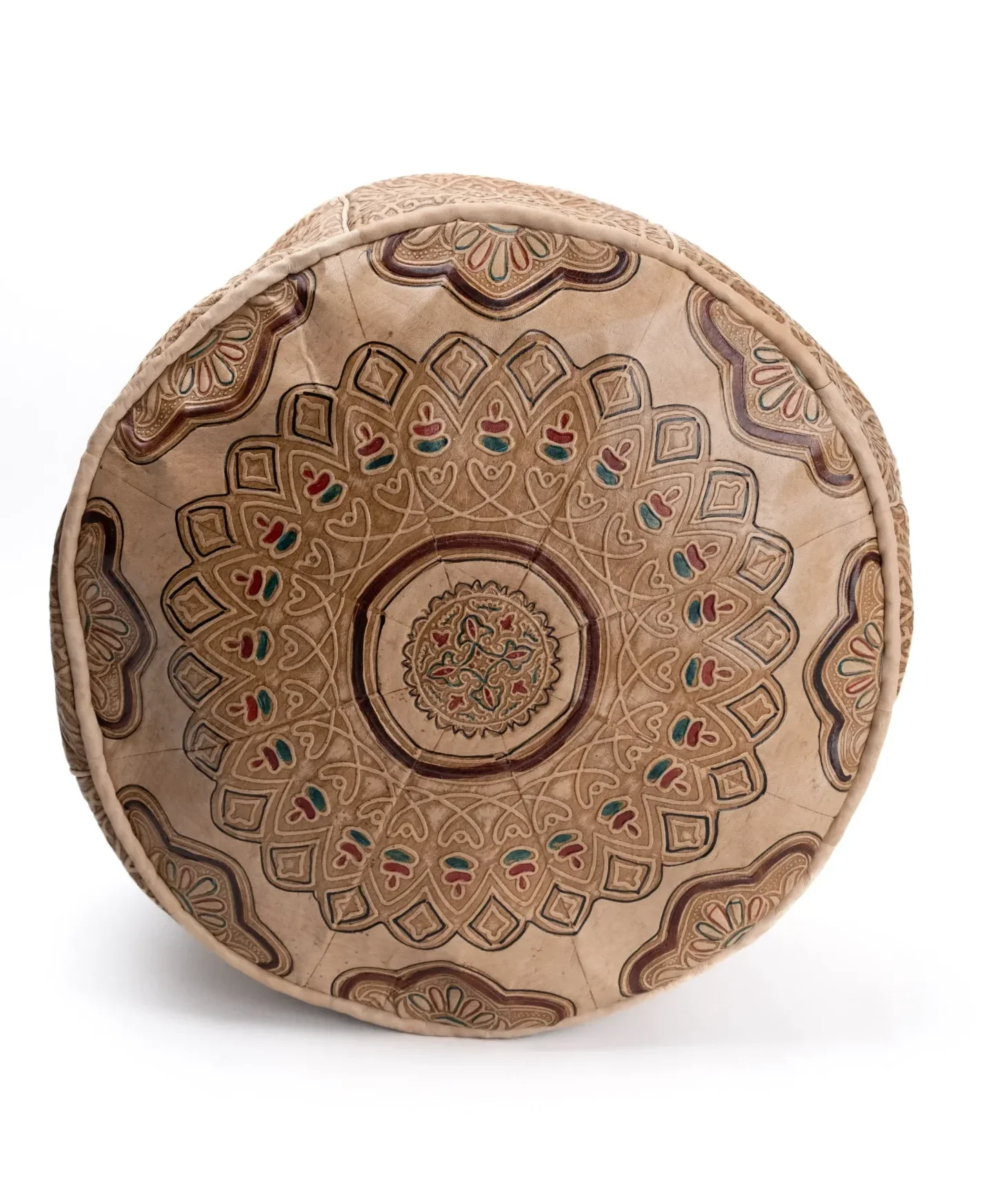
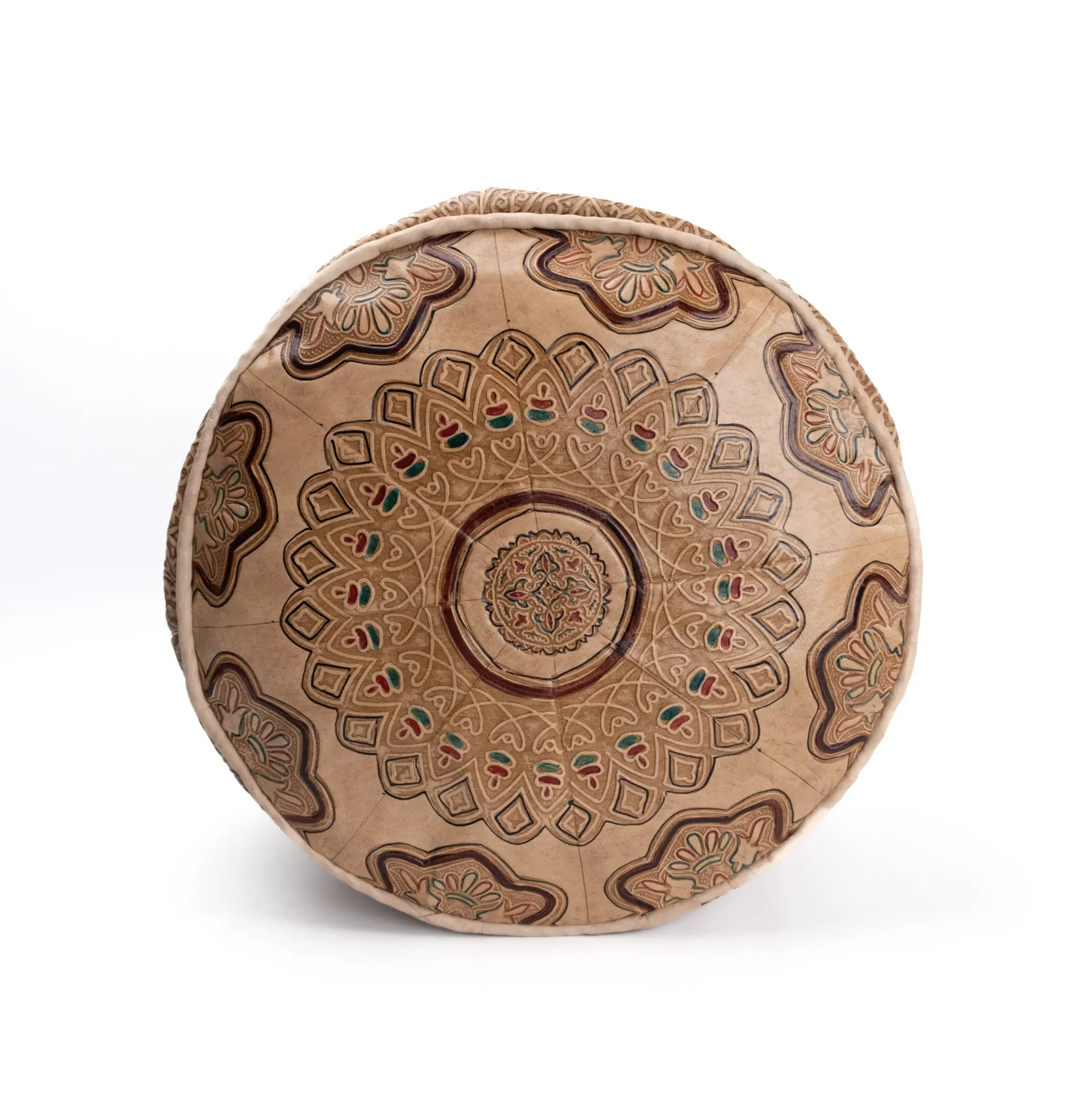
Both leather poufs and leather ottomans bring warmth and character to any living space. A pouf offers casual comfort and flexibility, while an ottoman provides structure and versatility. By choosing the right size, stuffing material, and styling approach, you’ll create an inviting atmosphere that reflects the handcrafted beauty of Moroccan design.
- 36%

Handmade Square Moroccan Leather Pouf – Colourful Embroidered Ottoman
Original price was: £ 148,00.£ 95,00Current price is: £ 95,00. Add to cart - 65%
Embossed Moroccan Leather Pouffe
Original price was: £ 95,00.£ 33,00Current price is: £ 33,00. Add to cart - 68%
Embossed Unique Moroccan Leather Pouf Ottoman
Original price was: £ 95,00.£ 30,00Current price is: £ 30,00. Add to cart - 65%
Traditional Moroccan Leather Pouffe
Original price was: £ 95,00.£ 33,00Current price is: £ 33,00. Add to cart - 32%
Handcrafted Square Moroccan Leather Pouf – Natural Wool Ottoman
Original price was: £ 140,00.£ 95,00Current price is: £ 95,00. Add to cart - 64%
Multicolored Moroccan Leather Pouffe
Original price was: £ 125,00.£ 45,00Current price is: £ 45,00. Add to cart - 32%
Moroccan Floor Pouf – Handmade from Vintage Rug Wool | Unstuffed Ottoman
Original price was: £ 140,00.£ 95,00Current price is: £ 95,00. Add to cart - 32%
Square Leather Pouf Ottoman – Handcrafted Vintage Wool Cushion
Original price was: £ 140,00.£ 95,00Current price is: £ 95,00. Add to cart
- Sale!
Handcrafted Square Moroccan Leather Pouf – Natural Wool Ottoman
Original price was: £ 140,00.£ 95,00Current price is: £ 95,00. Add to cart - Sale!
Embossed Unique Moroccan Leather Pouf Ottoman
Original price was: £ 95,00.£ 30,00Current price is: £ 30,00. Add to cart - Sale!
Handmade Square Moroccan Leather Pouf – Colourful Embroidered Ottoman
Original price was: £ 148,00.£ 95,00Current price is: £ 95,00. Add to cart - Sale!
Multicolored Moroccan Leather Pouffe
Original price was: £ 125,00.£ 45,00Current price is: £ 45,00. Add to cart - Sale!
Embossed Moroccan Leather Pouffe
Original price was: £ 95,00.£ 33,00Current price is: £ 33,00. Add to cart - Sale!
Square Leather Pouf Ottoman – Handcrafted Vintage Wool Cushion
Original price was: £ 140,00.£ 95,00Current price is: £ 95,00. Add to cart - Sale!
Traditional Moroccan Leather Pouffe
Original price was: £ 95,00.£ 33,00Current price is: £ 33,00. Add to cart - Sale!
Moroccan Floor Pouf – Handmade from Vintage Rug Wool | Unstuffed Ottoman
Original price was: £ 140,00.£ 95,00Current price is: £ 95,00. Add to cart
- Sale!
Traditional Moroccan Leather Pouffe
Original price was: £ 95,00.£ 33,00Current price is: £ 33,00. Add to cart - Sale!
Handmade Square Moroccan Leather Pouf – Colourful Embroidered Ottoman
Original price was: £ 148,00.£ 95,00Current price is: £ 95,00. Add to cart - Sale!
Embossed Moroccan Leather Pouffe
Original price was: £ 95,00.£ 33,00Current price is: £ 33,00. Add to cart - Sale!
Moroccan Floor Pouf – Handmade from Vintage Rug Wool | Unstuffed Ottoman
Original price was: £ 140,00.£ 95,00Current price is: £ 95,00. Add to cart - Sale!
Handcrafted Square Moroccan Leather Pouf – Natural Wool Ottoman
Original price was: £ 140,00.£ 95,00Current price is: £ 95,00. Add to cart - Sale!
Embossed Unique Moroccan Leather Pouf Ottoman
Original price was: £ 95,00.£ 30,00Current price is: £ 30,00. Add to cart - Sale!
Multicolored Moroccan Leather Pouffe
Original price was: £ 125,00.£ 45,00Current price is: £ 45,00. Add to cart - Sale!
Square Leather Pouf Ottoman – Handcrafted Vintage Wool Cushion
Original price was: £ 140,00.£ 95,00Current price is: £ 95,00. Add to cart
- Sale!
Multicolored Moroccan Leather Pouffe
Original price was: £ 125,00.£ 45,00Current price is: £ 45,00. Add to cart - Sale!
Traditional Moroccan Leather Pouffe
Original price was: £ 95,00.£ 33,00Current price is: £ 33,00. Add to cart - Sale!
Square Leather Pouf Ottoman – Handcrafted Vintage Wool Cushion
Original price was: £ 140,00.£ 95,00Current price is: £ 95,00. Add to cart - Sale!
Embossed Unique Moroccan Leather Pouf Ottoman
Original price was: £ 95,00.£ 30,00Current price is: £ 30,00. Add to cart - Sale!
Handcrafted Square Moroccan Leather Pouf – Natural Wool Ottoman
Original price was: £ 140,00.£ 95,00Current price is: £ 95,00. Add to cart - Sale!
Handmade Square Moroccan Leather Pouf – Colourful Embroidered Ottoman
Original price was: £ 148,00.£ 95,00Current price is: £ 95,00. Add to cart - Sale!
Embossed Moroccan Leather Pouffe
Original price was: £ 95,00.£ 33,00Current price is: £ 33,00. Add to cart - Sale!
Moroccan Floor Pouf – Handmade from Vintage Rug Wool | Unstuffed Ottoman
Original price was: £ 140,00.£ 95,00Current price is: £ 95,00. Add to cart