








Moroccan weddings blend centuries‑old traditions with modern flair. From the henna night to the bride’s procession, each element carries cultural meaning.
- 63%

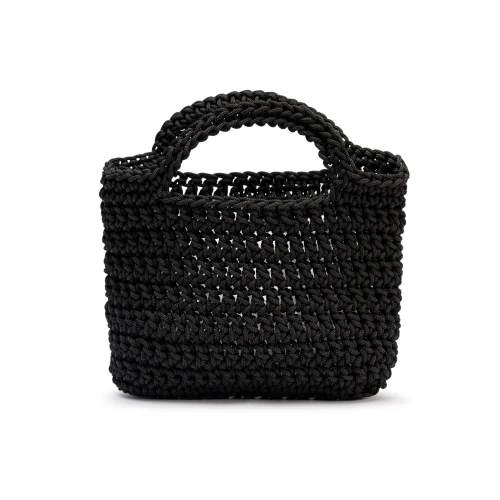
Camel Tan Woven Leather Tote Bag
Original price was: £ 190,00.£ 70,00Current price is: £ 70,00. Add to cart - 50%
Teal Leather Handbag – Handmade Moroccan Arm Tote
Original price was: £ 120,00.£ 60,00Current price is: £ 60,00. Add to cart - 33%
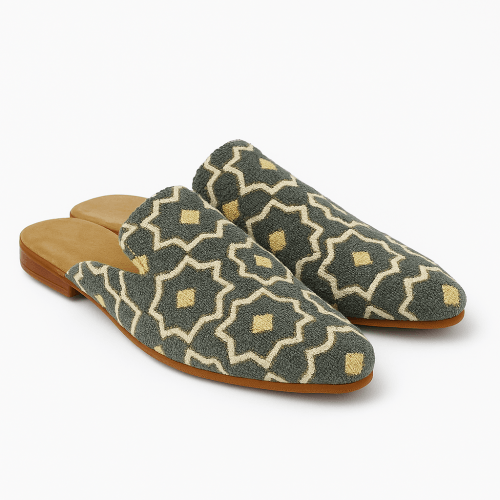
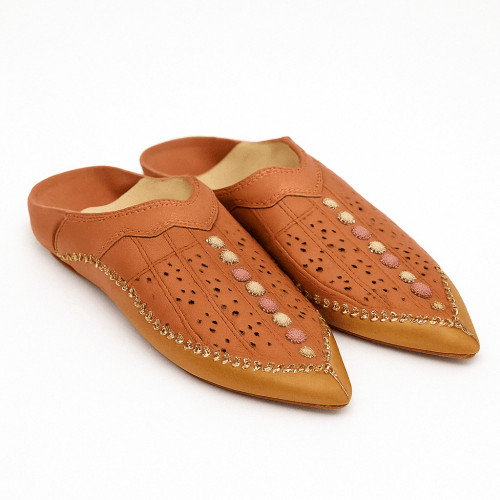
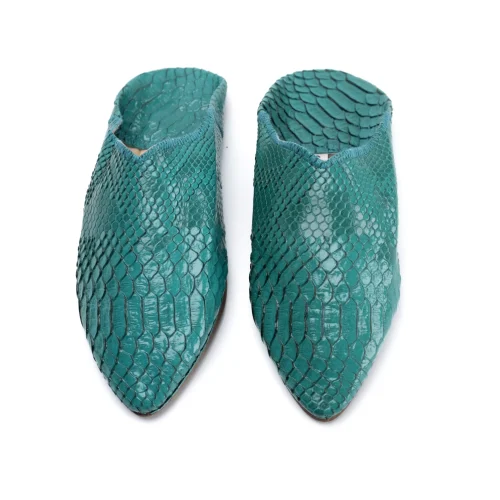
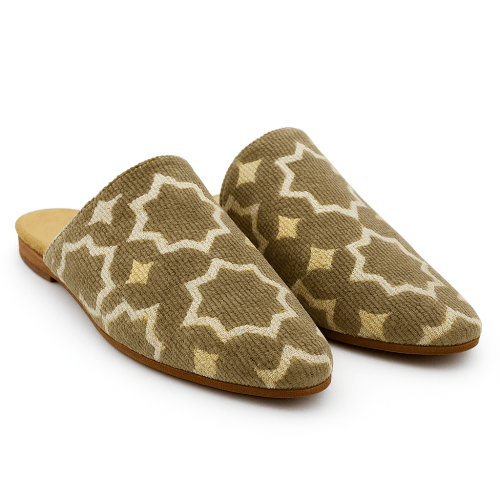
Moroccan Tamghra Ladies Mule Slippers
Original price was: £ 60,00.£ 40,00Current price is: £ 40,00. Select options This product has multiple variants. The options may be chosen on the product page - 63%
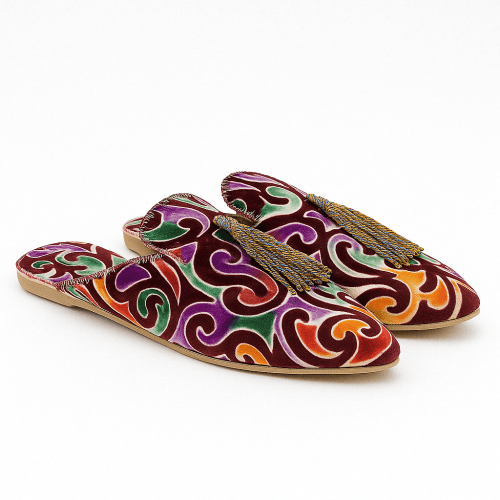
Velvet Tassel Moccasin Slippers in Multicolour Swirl Design
Original price was: £ 60,00.£ 22,00Current price is: £ 22,00. Select options This product has multiple variants. The options may be chosen on the product page
- 6%
Artisan Silver Candle Tajine with Magenta Tassel
Original price was: £ 16,00.£ 15,00Current price is: £ 15,00. Add to cart Tan Leather Bag with Berber Geometric Pattern
Price range: £ 70,00 through £ 80,00 Select options This product has multiple variants. The options may be chosen on the product page- 53%
Handcrafted Tan Leather Tote Bag – Woven Design
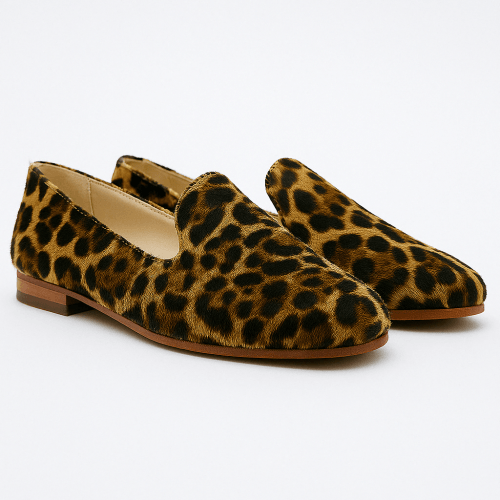
Original price was: £ 180,00.£ 85,00Current price is: £ 85,00. Add to cart Handmade Ladies Mule Slippers – Leopard Print Leather
£ 45,00 Select options This product has multiple variants. The options may be chosen on the product page- 50%
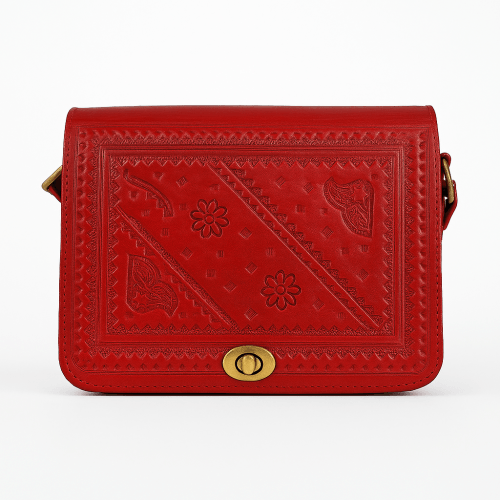
Handmade Red Moroccan Leather Crossbody Bag – Rectangular Floral Design
Original price was: £ 120,00.£ 60,00Current price is: £ 60,00. Add to cart
- Out of stock
Embroidered Brown Moccasin Slippers with Gold Detailing
£ 22,00 Select options This product has multiple variants. The options may be chosen on the product page - 50%
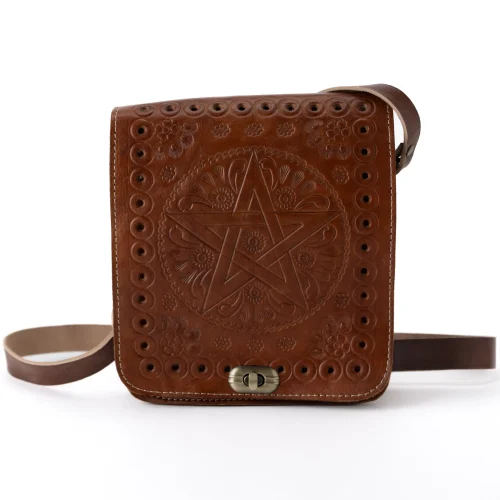
Brown Leather Crossbody Satchel – Handmade Moroccan Bag
Original price was: £ 120,00.£ 60,00Current price is: £ 60,00. Add to cart - 60%
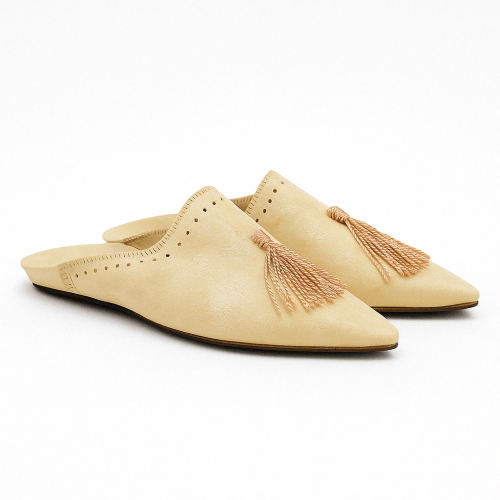
Cream Tassel Moccasin Slippers in Handcrafted Moroccan Leather
Original price was: £ 55,00.£ 22,00Current price is: £ 22,00. Select options This product has multiple variants. The options may be chosen on the product page - 58%
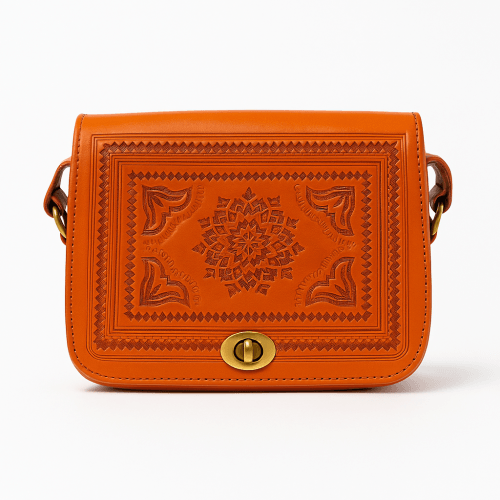
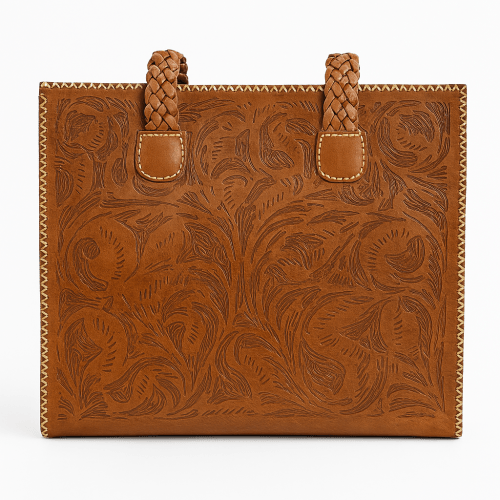
Handcrafted Brown Leather Tote Bag – Moroccan Floral Engraved Design
Original price was: £ 190,00.£ 80,00Current price is: £ 80,00. Add to cart
- Out of stock
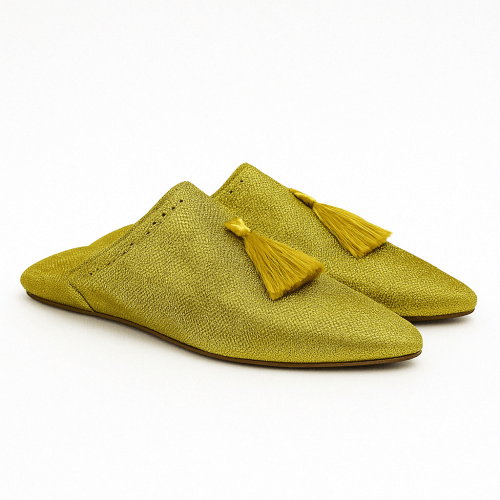
Golden Tassel Moroccan Moccasin Slippers
£ 21,00 Select options This product has multiple variants. The options may be chosen on the product page Handmade Ladies Mule Slippers – Leopard Print Leather
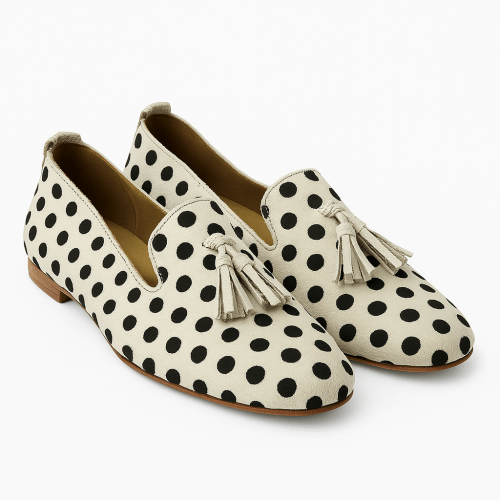
£ 45,00 Select options This product has multiple variants. The options may be chosen on the product pageHandmade Polka Dot Leather Loafers – Moda in Pelle Uk Style
£ 45,00 Select options This product has multiple variants. The options may be chosen on the product page- 60%
Cream Tassel Moccasin Slippers in Handcrafted Moroccan Leather
Original price was: £ 55,00.£ 22,00Current price is: £ 22,00. Select options This product has multiple variants. The options may be chosen on the product page - 17%
Handcrafted Moroccan Thuya Wood Candle Holder
Original price was: £ 6,00.£ 5,00Current price is: £ 5,00. Add to cart Tan Moroccan leather handbag with Red Moroccan Geometric Pattern
Price range: £ 70,00 through £ 80,00 Select options This product has multiple variants. The options may be chosen on the product page
Burgundy Tasselled Moccasin Slippers for Women
£ 24,00 Select options This product has multiple variants. The options may be chosen on the product page- 6%
Artisan Silver Candle Tajine with Magenta Tassel
Original price was: £ 16,00.£ 15,00Current price is: £ 15,00. Add to cart - 50%
Brown Leather Tote Bag – Handmade Moroccan Arm Carry
Original price was: £ 120,00.£ 60,00Current price is: £ 60,00. Add to cart - 33%
Moroccan Tamghra Ladies Mule Slippers
Original price was: £ 60,00.£ 40,00Current price is: £ 40,00. Select options This product has multiple variants. The options may be chosen on the product page
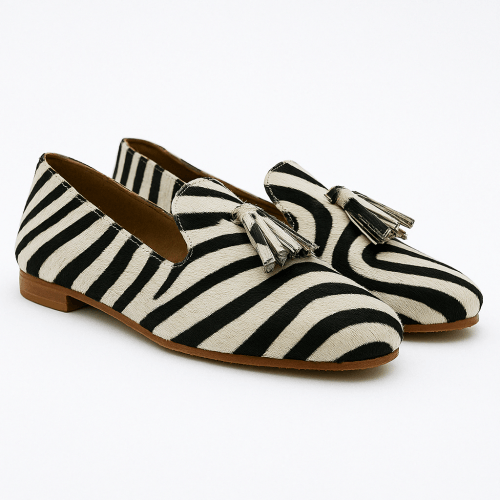
Handmade Zebra Print Ladies Slippers – Natural Leather Tassel Loafers
£ 45,00 Select options This product has multiple variants. The options may be chosen on the product page- Sale!
Velvet Tassel Moccasin Slippers in Multicolour Swirl Design
Original price was: £ 60,00.£ 22,00Current price is: £ 22,00. Select options This product has multiple variants. The options may be chosen on the product page - Sale!
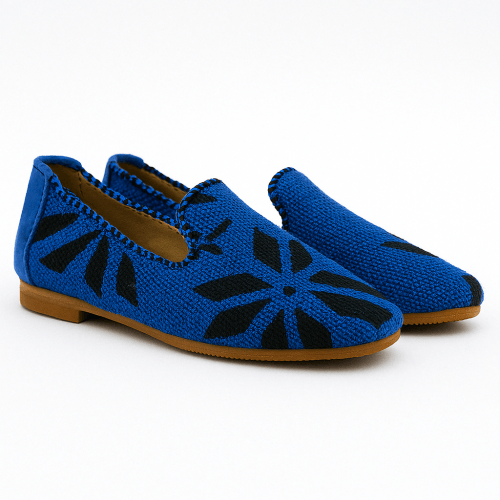
Handmade Blue Moroccan Ladies Slippers – Natural Rug Style
Original price was: £ 88,00.£ 40,00Current price is: £ 40,00. Select options This product has multiple variants. The options may be chosen on the product page - Sale!
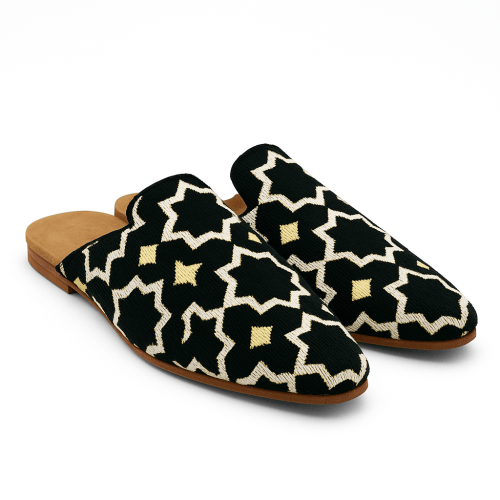
Luxury Ladies Mule Slippers – Handmade Moroccan Design
Original price was: £ 60,00.£ 40,00Current price is: £ 40,00. Select options This product has multiple variants. The options may be chosen on the product page Women’s Choucha Slippers
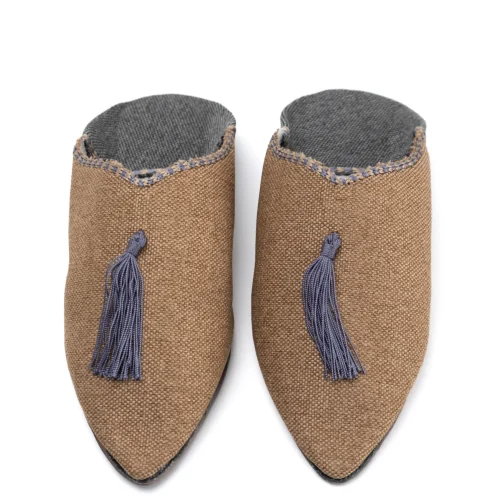
£ 20,00 Select options This product has multiple variants. The options may be chosen on the product pageHandmade Polka Dot Leather Loafers – Moda in Pelle Uk Style
£ 45,00 Select options This product has multiple variants. The options may be chosen on the product pageLuxury Moroccan Tamghra Ladies Mule Slippers
£ 40,00 Select options This product has multiple variants. The options may be chosen on the product page- Out of stock
Golden Tassel Moroccan Moccasin Slippers
£ 21,00 Select options This product has multiple variants. The options may be chosen on the product page